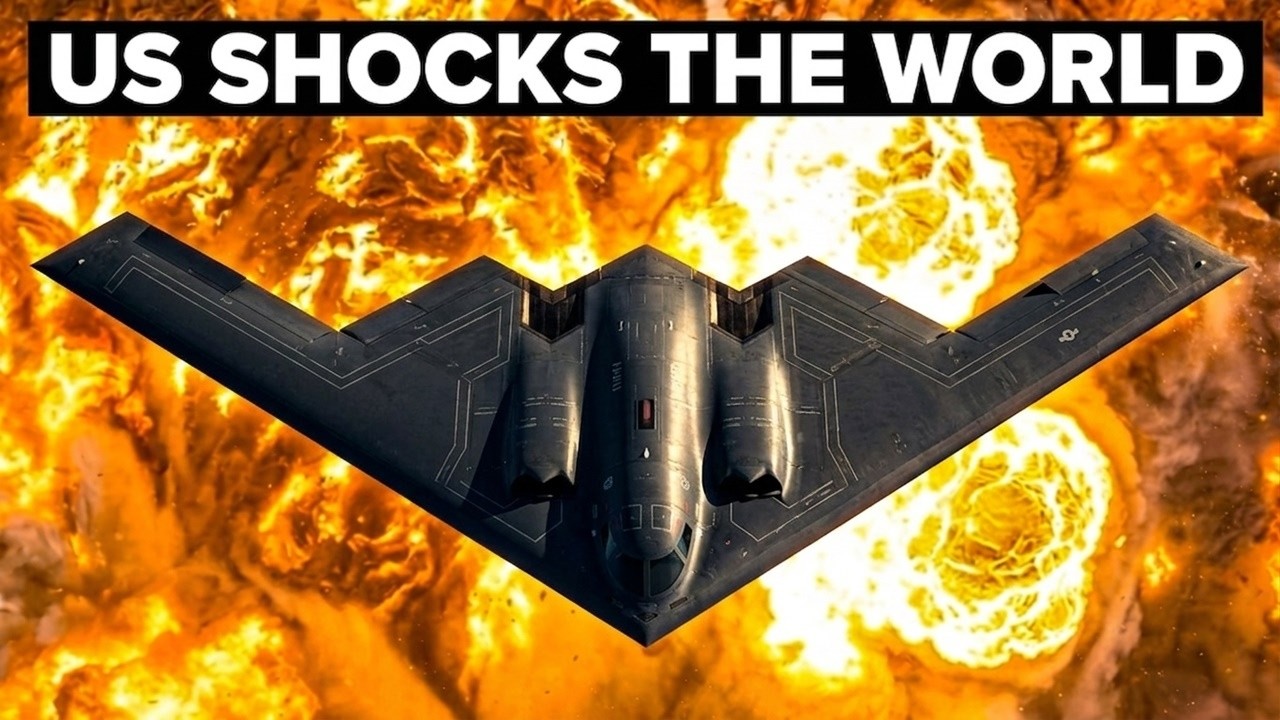
The F-35 Lightning II has become the backbone of modern air combat, redefining air superiority with stealth, sensor fusion, and advanced networking capabilities. As of 2026, dozens of countries are operating or preparing to deploy this fifth-generation fighter—but only a handful dominate in terms of fleet size.
Here’s a Google Discover–friendly breakdown of the world’s largest air forces by number of F-35 fighter jets.
Top Countries With The Most F-35 Fighter Jets
1. United States – The Global Superpower
- Planned fleet: 2,400+ aircraft
- Variants: F-35A, F-35B, F-35C
The United States remains the undisputed leader, operating the largest F-35 fleet by a massive margin. The aircraft is used across all major branches:
- Air Force (F-35A)
- Marine Corps (F-35B)
- Navy (F-35C)
With global deployments, the U.S. uses the F-35 as a core pillar of its military dominance.
2. Japan – Asia’s Biggest F-35 Operator
- Total ordered: 147 aircraft
- 105 F-35A
- 42 F-35B
Japan is the largest F-35 operator outside the U.S. and continues to expand its capabilities in response to regional security challenges. The addition of F-35Bs allows operations from modified aircraft carriers.
3. United Kingdom – Carrier-Based Power
- Planned fleet: ~138 F-35B
The UK focuses entirely on the F-35B variant, designed for short takeoff and vertical landing. These jets operate from aircraft carriers like HMS Queen Elizabeth, strengthening the country’s global strike capability.
4. Italy – Dual Capability Force
- Planned fleet: ~90 aircraft
Italy operates both F-35A and F-35B variants, making it one of the most versatile F-35 operators in Europe. It also hosts a key assembly and maintenance facility.
5. Australia – Indo-Pacific Strength
- Fleet size: 72 F-35A
Australia has completed its full order and maintains a combat-ready fleet, playing a critical role in regional security and allied operations in the Indo-Pacific.
Other Major F-35 Operators
🇮🇱 Israel
- ~75 aircraft (F-35I “Adir”)
- Customized with advanced local technology
🇳🇴 Norway
- 52 aircraft
- Fully delivered and operational
🇳🇱 Netherlands
- ~52 aircraft
- Transitioning from F-16 fleet
🇰🇷 South Korea
- 60 aircraft planned
- Strengthening deterrence capabilities
🇩🇰 Denmark
- 27 aircraft
- Supporting NATO operations
Why F-35 Fleet Size Matters
The number of F-35s in an air force is more than just a statistic—it reflects military power and strategic reach:
- Stealth Technology: Enables deep strike missions without detection
- Advanced Sensors: Real-time battlefield awareness
- Interoperability: Seamless coordination among allied nations
- Force Multiplier: Greater impact with fewer aircraft
Final Ranking Snapshot (2026)
| Rank | Country | F-35 Fleet (Approx) |
|---|---|---|
| 1 | United States | 2,400+ |
| 2 | Japan | 147 |
| 3 | United Kingdom | 138 |
| 4 | Italy | ~90 |
| 5 | Australia | 72 |
| 6 | Israel | ~75 |
| 7 | Norway | 52 |
| 8 | Netherlands | ~52 |
| 9 | South Korea | 60 |
| 10 | Denmark | 27 |
Conclusion
The F-35 program is reshaping global air power, with the United States far ahead and allies rapidly expanding their fleets. Countries like Japan, the UK, and Australia are investing heavily, signaling a future where fifth-generation fighters dominate the skies.